
How Your Sleeping Position Affects Your Back and Neck Health
You go to bed hoping to wake up feeling rested. Instead, you open your eyes and immediately notice a stiff neck or an aching lower back that seems to show up overnight. Sound familiar? Your sleeping position may have something to do with it. After all, you spend roughly a third of your day in bed. The position you stay in for those hours can affect how much pressure is placed on your spine, muscles, and joints. But you don’t necessarily need a new mattress. Sometimes, a few small changes to your sleeping posture can make a noticeable difference. Let’s talk about it.
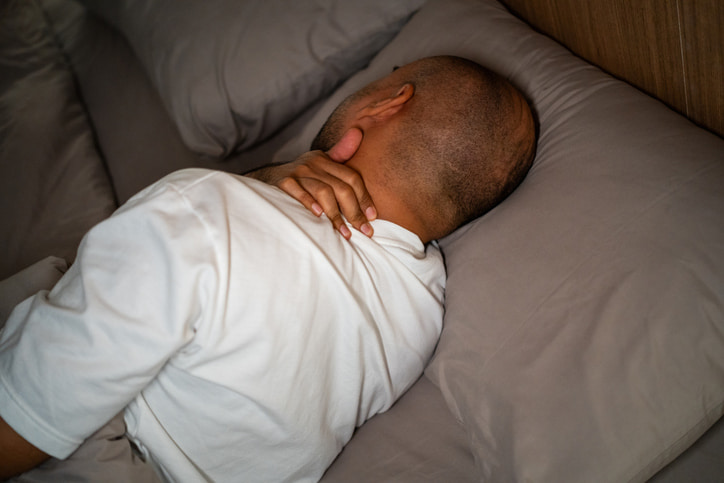
Can Your Sleeping Position Cause Back or Neck Pain?
Yes. Your spine has natural curves that need support. When you sleep in a twisted or unsupported position, you strain your muscles and joints for hours at a time, leading straight to morning aches and stiffness.
What Is the Best Sleeping Position for Back and Neck Health?
There’s no single sleeping position that’s perfect for everyone. Your body, your spine, and the source of your pain all matter. In general, back and side sleeping tend to make it easier to keep your spine in a neutral position. Try these adjustments:
- Sleep on your back: Place a pillow under your knees to take some pressure off your lower back.
- Sleep on your side: Put a pillow between your knees to help keep your hips and spine aligned.
- Sleep on your stomach: If this is your go-to position, consider gradually transitioning to your side or back. Sleeping on your stomach can put extra stress on your neck and lower back.
How Your Pillow Affects Back and Neck Health
Your pillow’s main job is to keep your ears, shoulders, and hips aligned. A pillow that is too thick or too thin forces your neck into an unnatural angle, which disrupts spinal alignment and can cause major muscle tension. The right pillow for you depends partly on how you sleep:
- Back sleepers: Look for a pillow that supports your neck without pushing your head too far forward.
- Side sleepers: You generally need more pillow height to fill the space between your shoulder and head.
- Stomach sleepers: A thinner pillow can reduce some of the strain caused by turning your head to the side.
7 Tips to Improve Your Sleeping Position
Start with a few simple changes:
- Break up with stomach sleeping to give your neck a break.
- Hug a pillow between your knees when you sleep on your side.
- Slip a pillow under your knees when you rest on your back.
- Check your mattress. A medium-firm mattress is usually the sweet spot for support.
- Stop stacking pillows. One good, supportive pillow is all your neck needs.
- Imagine a straight line running from your ears to your hips when you settle in.
- Do some light stretches right before bed to loosen up tight muscles.
Get a Better Night’s Sleep With Spine Vue
Waking up a little stiff after sleeping in an odd position isn’t necessarily a reason to worry. But when the pain keeps coming back, gets worse, or starts affecting your everyday life, it’s worth getting it checked out. At Spine Vue in Houston, Texas, we can help you understand whether your sleeping posture may be contributing to your discomfort and what’s really behind your symptoms. We build tailored care and surgical plans for each patient and offer free MRI reviews and second opinions so you can feel confident about your next steps. Reach out and schedule your consultation today!
Frequently Asked Questions
How To Sleep To Avoid Neck Pain?
Sleep on your back or side with a contour pillow that keeps your head level.
Why Do I Have Back Pain After Sleeping?
It is usually caused by an unsupportive mattress or a poor sleeping position for neck pain and back pain.
How Long Does It Take To Get Used To A New Sleeping Position?
It typically takes about two to three weeks of consistent effort for a new position to feel natural as your body adjusts and muscle memory builds.