
What Is Spinal Fusion Surgery?
Everything You Need to Know About Spinal Fusion Surgery
You’ve probably heard the term “spinal fusion surgery,” but that doesn’t necessarily mean you know what it actually means. What gets fused? Why does it help? And what happens after surgery? Let’s take a closer look at the procedure and what to expect.
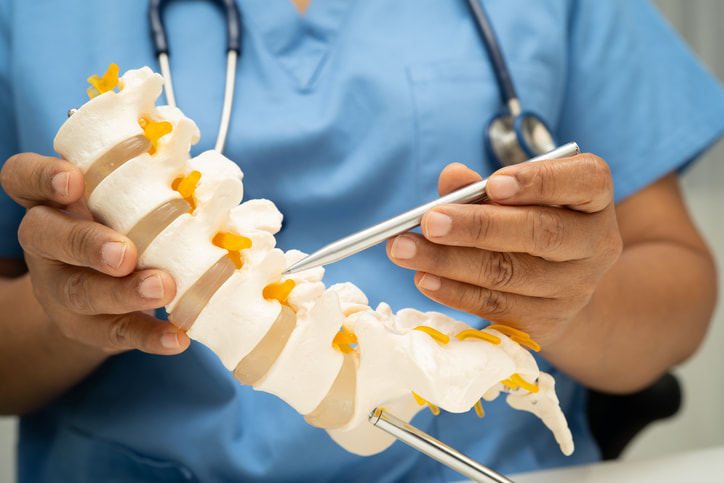
What Is Spinal Fusion Surgery?
Spinal fusion surgery joins two or more vertebrae, so they heal into one solid section of bone. The goal is to stabilize the spine to correct certain structural problems. Eliminating the motion between them helps eliminate pain caused by unstable movement. Your surgeon may recommend fusion to treat problems such as:
- Degenerative disc disease
- Spondylolisthesis
- Spinal instability
- Certain spinal fractures
- Spinal deformities
- Spinal stenosis, when stabilization is also needed
What Happens During Spinal Fusion Surgery?
During the procedure, your surgeon removes or addresses the damaged area of the spine as needed and places bone graft material between the vertebrae being fused. Screws, rods, plates, or other hardware may be used to hold the vertebrae in the correct position. This keeps the spine completely still so the bones can heal into a single, solid unit. The body’s natural healing process does the heavy lifting after the hardware is in place. Over several months, the bone graft heals and fuses the vertebrae together. By stopping the friction and rubbing between damaged spinal bones, the aim is that painful symptoms will significantly decrease.
Types of Spinal Fusion Surgery
Surgeons can approach the spine from different directions depending on your specific condition:
- Anterior Lumbar Interbody Fusion (ALIF): The surgeon approaches the spine from the front.
- Posterior Lumbar Interbody Fusion (PLIF): The spine is accessed from the back.
- Transforaminal Lumbar Interbody Fusion (TLIF): The surgeon reaches the disc space from the side of the spinal canal.
- Anterior Cervical Discectomy and Fusion (ACDF): A damaged cervical disc is removed, and the vertebrae are fused, typically through an incision in the front of the neck.
What Are the Benefits of Spinal Fusion?
When spinal fusion is appropriate, it can help stabilize the spine and address problems that are contributing to your symptoms. Your results will depend on your specific condition, the area being treated, and how your body responds to surgery and healing. Potential benefits may include:
- Less pain caused by abnormal spinal movement
- Greater spinal stability
- Correction of certain structural problems
- Improved function and mobility
Take the Next Step With Spine Vue
You don’t have to live with a bad back. Discover if spinal fusion surgery can help. Based in Houston, Spine Vue welcomes patients from all across Texas for tailored orthopedic care. We want you to feel fully confident before making decisions. That is why we offer free MRI reviews and second opinions. Contact us to schedule your consultation and reclaim your life!
Frequently Asked Questions
How Long Does Spinal Fusion Surgery Take?
It depends on the type of surgery, how many levels of the spine are being treated, and how complex the procedure is. Your surgeon can give you a more specific estimate based on your surgical plan.
How Long Does Spinal Fusion Surgery Recovery Take?
Spinal fusion surgery recovery looks different for everyone. Your recovery timeline depends on the procedure you have and how your spine heals.
Is Spinal Fusion Surgery Painful?
It’s normal to have some pain or discomfort after surgery. Your care team will provide instructions for managing it as you recover. As with any surgery, everyone’s experience is a little different.